


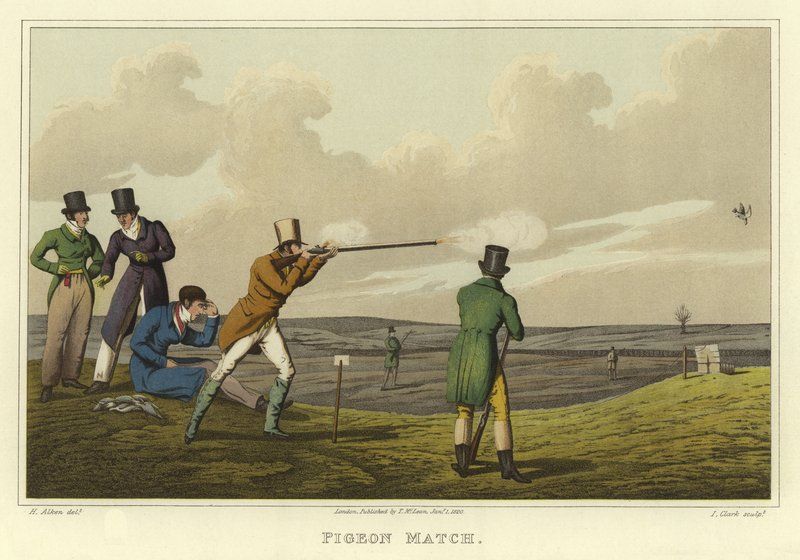
17th century
Origins of shooting with hunting shotguns
Shooting with hunting shotguns at live birds or artificial targets has existed since the 17th century, in order to train hunters and to organize competitions as part of recreational events.
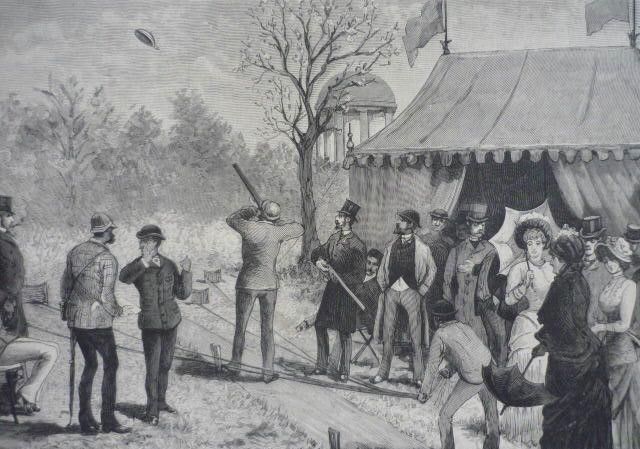
19th century
First regulations and sports associations
The first rules governing these activities were laid down in the 19th century. They were used as the basis for the transforming of these games of skill into a sporting activity, which since the second half of the 20th century, has itself becomes a prestigious sport.
One of the first sporting associations, officially formed in 1867 in Paris was the Circle of the Skaters in the Wood of Boulogne which was chaired by Prince Joaquin Murat. In the same year in Italy, the Tivoli shooting club was formed; in May 1893 in England, the first sporting shooting association, the Inanimate Bird Shooting Association, was created. Important sporting events were staged at these Clubs where the main participants were from high society, until the First World War.
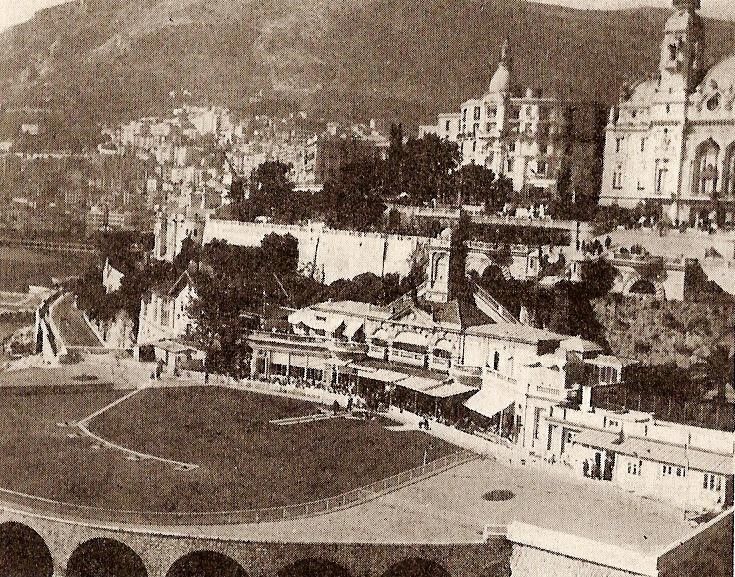
After 1918
The beginnings of the global boom in shooting sports
After the First World War, this sport underwent important changes in many European countries and in the United States. The formation of an International Association became essential in order to bring together national organizations, to harmonize and coordinate the sporting rules, and to supervise their enforcement during international competitions, which culminated in the award of prizes.
1921
Creation of UIC
On June 4th 1921, spurred on by France, the INTERNATIONAL UNION OF HUNTING (UIC) was created in Lausanne, Switzerland. Its registered office was based at 21, rue de Clichy, Paris, France, until 1973. The founder members represented at the first meeting were: South Africa, England, Belgium, Denmark, the United States of America, France, Norway, Netherlands, Romania and Sweden. The goal of this new Federation was to bring together the national groups of the world who practised shooting sports, i.e. live pigeon shooting, clay target shooting and running deer shooting (with bullets), in order to unify their sporting rules.
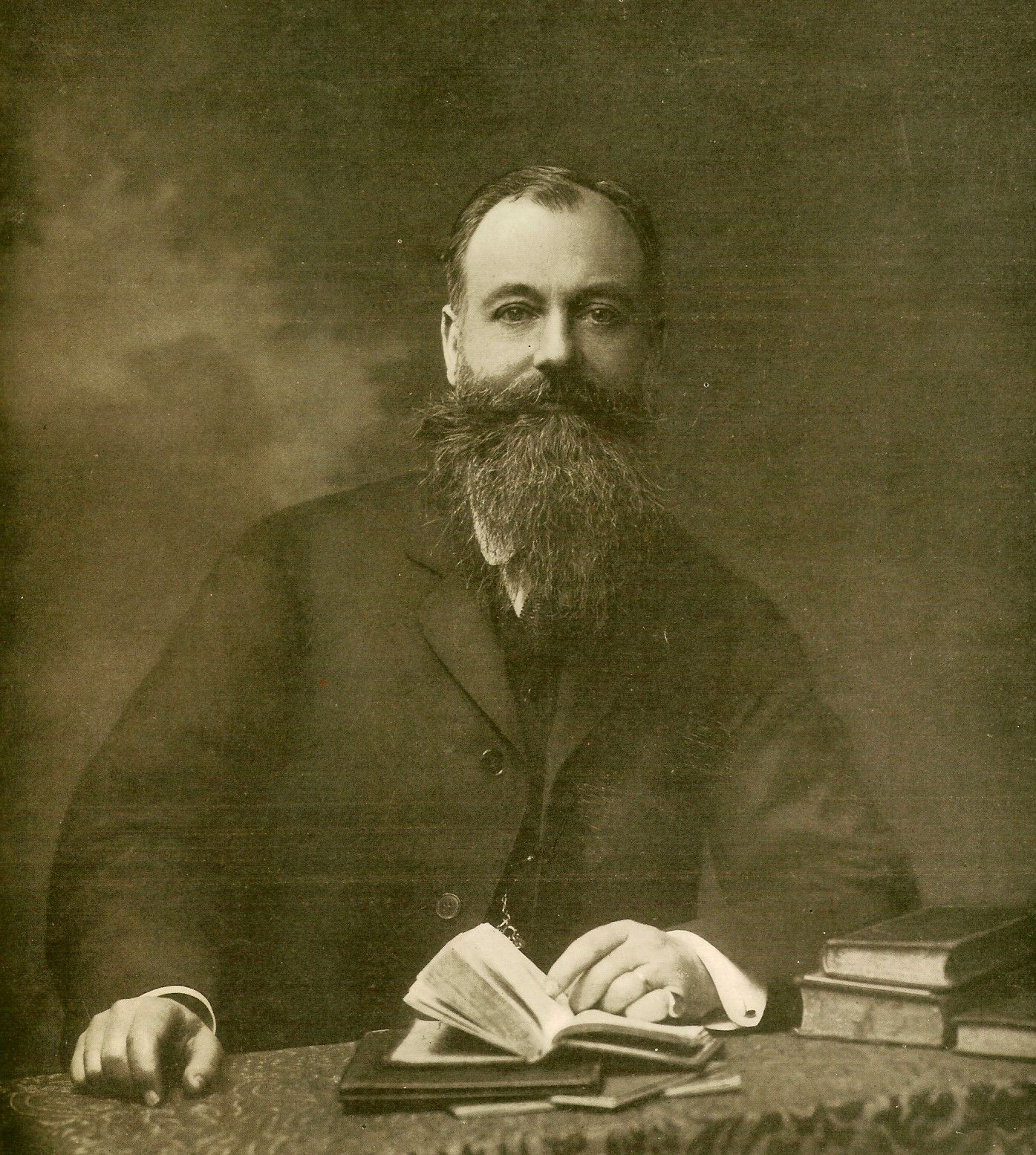
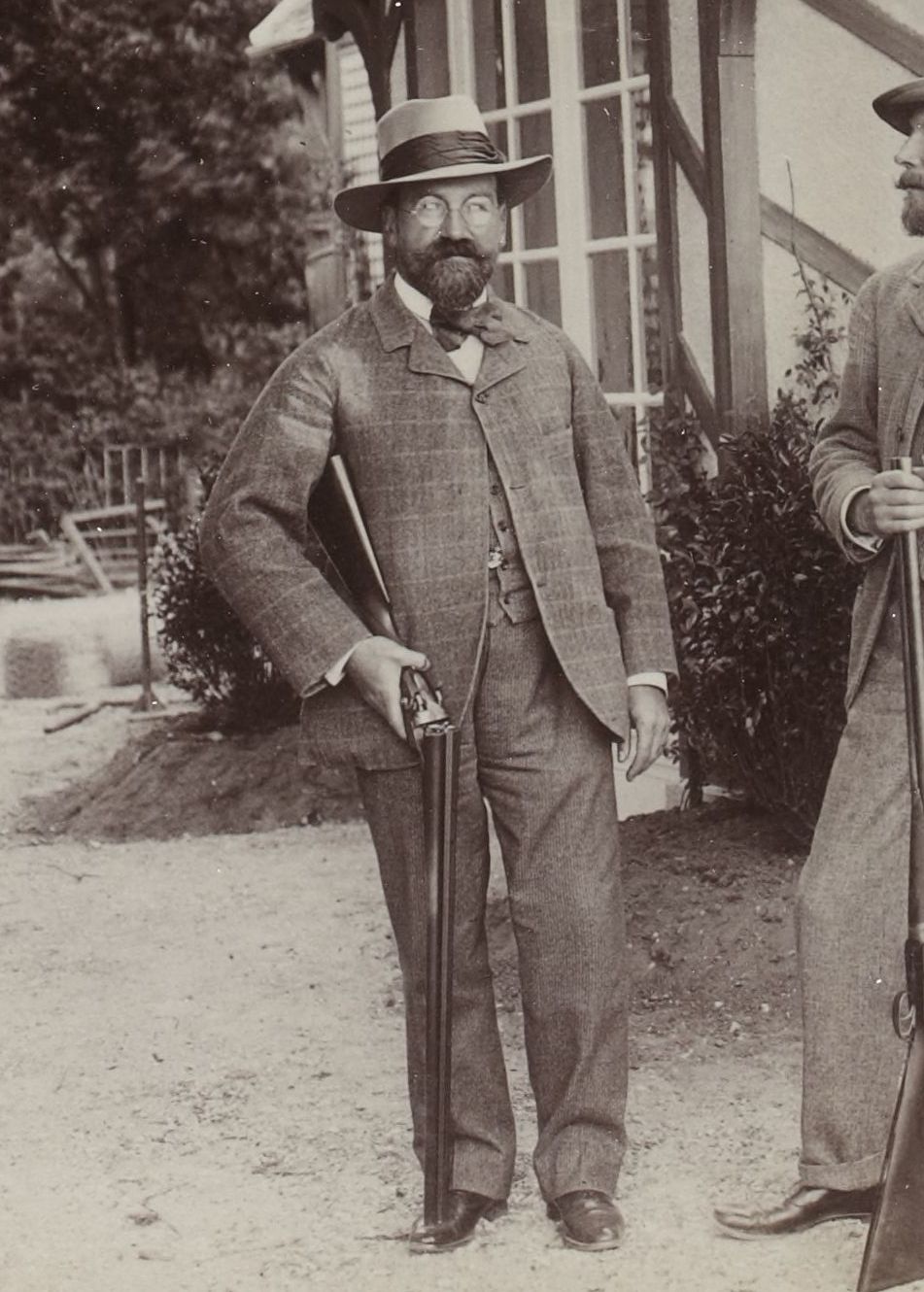
The first president from 1921 to 1933 was the Count Justinien Clary. He was the co-founder of the French Olympic Committee, which he holds the presidency of from 1913 to 1933, and was also the President of the Saint-Hubert Club of France from 1903 to 1933.
1924 - 1938
1924 Olympics - International development of Olympic Trap and Skeet
The international sporting rules for all the disciplines of shooting with hunting shotguns were then establish by UIC, who put them into practice in the 1924 Olympic Games, in Paris. Subsequently, the Olympic Committee decided that the disciplines of shooting with hunting shotguns would no longer form part of the Olympic Games' program. The UIC then organized under its own auspices, the International Championships, if practicable annually, in countries requesting them. From 1929 to 1939, the Olympic Trap World Championships took place annually; the European championships took place in 1933, 1938 and in 1940. As for live pigeon shooting, annual World championships were organized between 1930 and 1940.
Upon the death of the Count Clary in 1933, the Presidency of the Federation passed to Mr Maurice Faure, under whose Presidency the last championships were held before the Second World War.
1938
The UIC becomes FITASC
At the general assembly in 1938, the INTERNATIONAL UNION OF HUNTING (UIC) became LA FÉDÉRATION INTERNATIONALE DE TIR AUX ARMES SPORTIVES DE CHASSE (FITASC) as it is still known to this day. It gathered together 27 national organizations divided into three sporting sections: live pigeon shooting, clay target shooting and shooting with rifles.
1939 - 1947
Activity slowed down during the Second World War
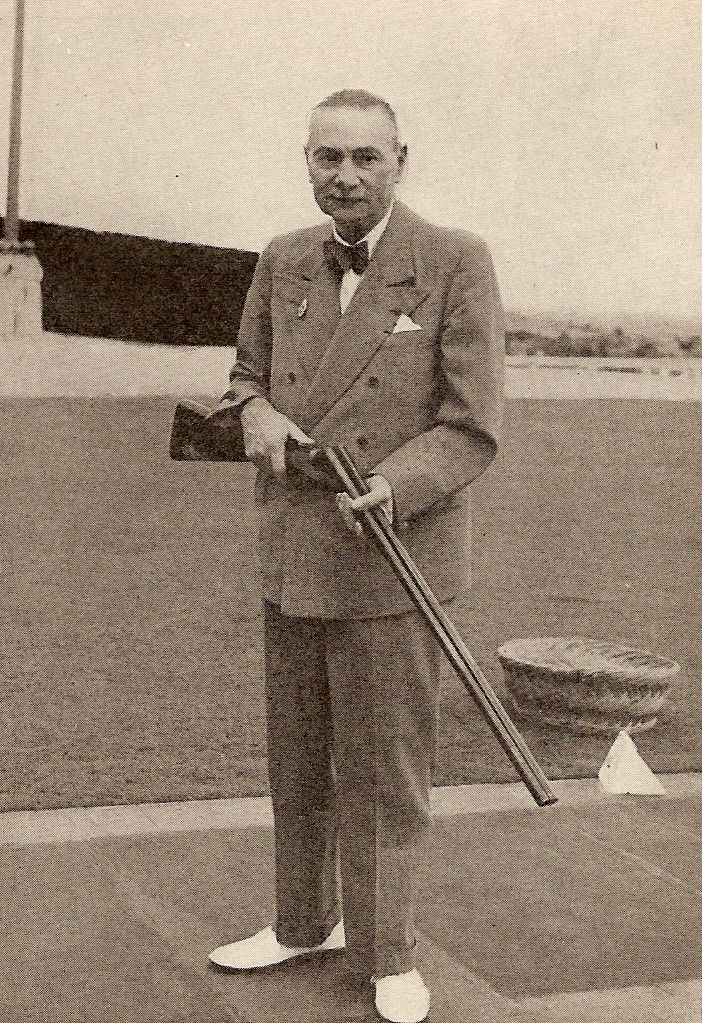
FITASC's sporting activities slowed down during the Second World War and Mr Maxime Ducrocq, its Honorary President oversaw the federation's running until 1947. On the 30th November 1947 at the general assembly of San Remo, he was elected President of the Federation. From this point in time onwards, competitive shooting with hunting shotguns made new inroads into the international circuit.
1947 - 1952
Management of disciplines shared between FITASC and UIT (ISSF)
In an attempt to try and reintroduce clay pigeon shooting as an Olympic discipline for the 1948 games, FITASC decided in 1947, to entrust the disciplines of Olympic Trench and Running Deer to the International Union of Shooting, the latter already being affiliated to the International Olympic Committee for the disciplines of shooting with rifled barrel weapons (pistols and rifles). The Federation, by then 13 national groups strong, organized European championships in 1947, 1951 and 1952.
However, in 1950, the affiliated federation members of both international organizations acknowledge that the majority did not feel that the system adopted in 1947 was satisfactory. In fact, the International Union of Shooting at that time set up the following: only one World championship every four years, limiting the participation to only 5 shooters per nation, and, in alternate four years periods, the Olympic events, limiting the participation to only 2 shooters per nation.
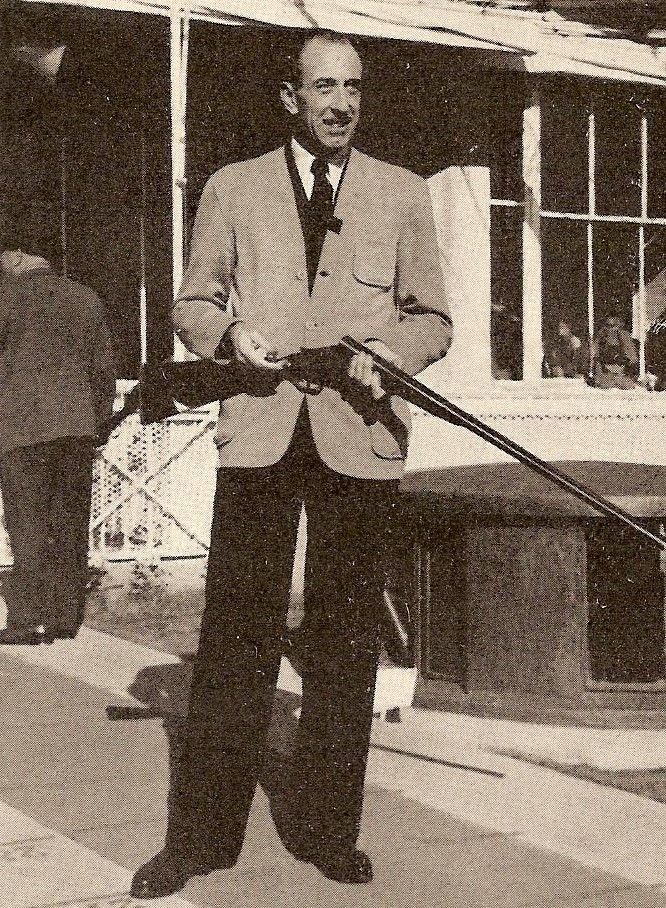
FITASC's General Assembly in 1951 instructed its president, the Hon. Count. of Gouvion Saint-Cyr, to do his utmost to restart annual international clay pigeon championships under the aegis of the federation. With this aim in view, it became necessary to come to some kind of understanding with the International Shooting Union.
In 1952 both Federations reached an agreement. FITASC was once again in charge of organising annual European championships.
1954 - 1969
Adoption of the principle of 'open' competitions
Between 1952 and 1968, sixteen were held under its aegis in the discipline of Olympic Trench, and fourteen in the discipline of Skeet between 1954 and 1968 (a new discipline created a few years earlier).
Since 1939, these disciplines had been in decline and FITASC gave rise to a resurgence in the sport of clay target shooting by creating many other international events, such as the Cup of Nations, which was contested annually between 1956 and 1968.
Thanks to the adoption and the implementation of the principle of "open" championships, not limiting the number of individual participants per nation, the number of affiliated countries and the number of shooters taking part in the international events increased considerably in the following years. In 1966, the federation had 43 affiliated national groups, which represented 40 countries from four continents.
Collaboration between FITASC and UIT continued until 1969, in accordance with the 1952 agreement. From then on, the UIT was entrusted with both Olympic disciplines on a permanent basis.
1960 - 1980
Significant global growth with non-Olympic clay pigeon shooting disciplines
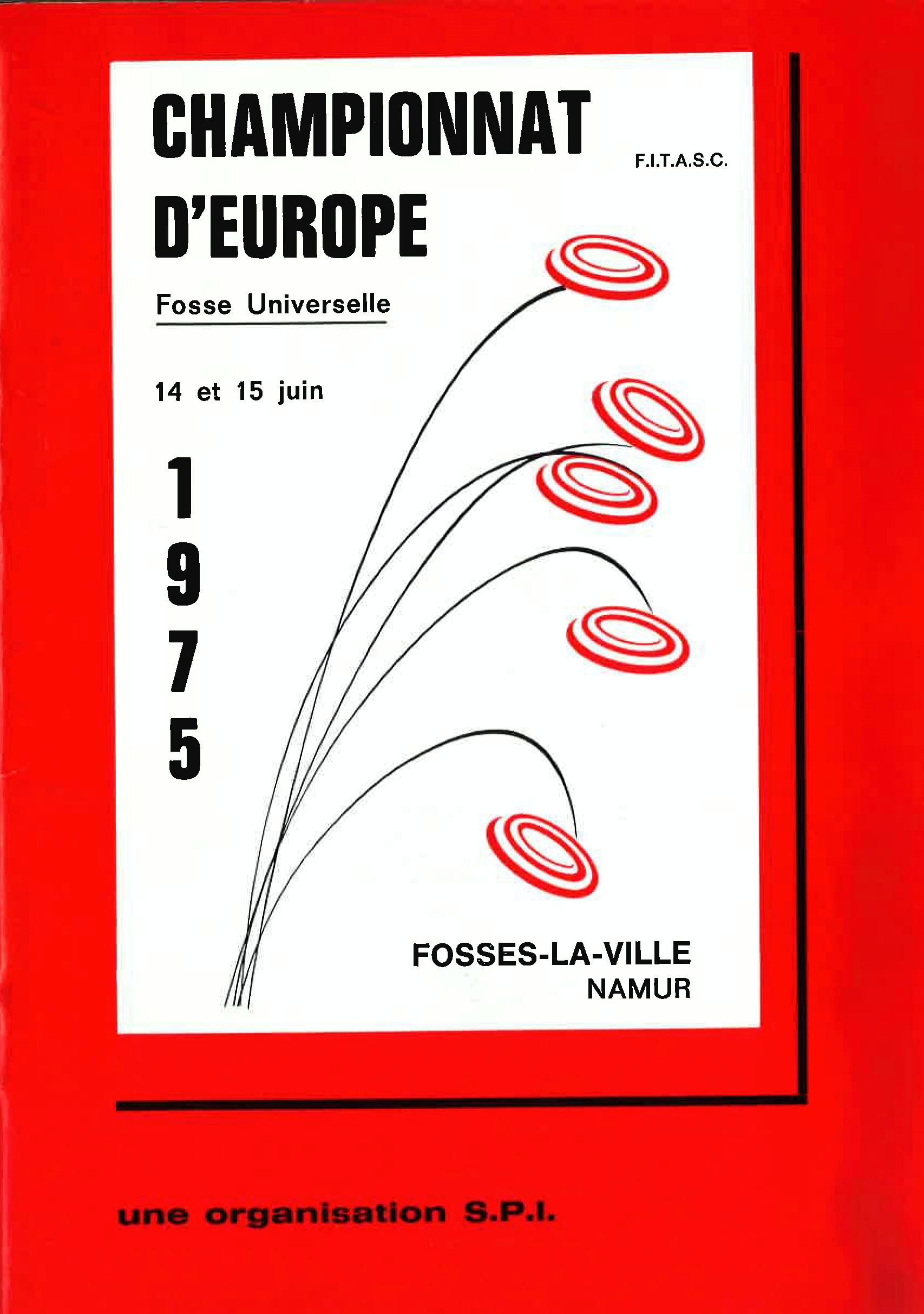
Fosse Universelle (trench with 5 machines)
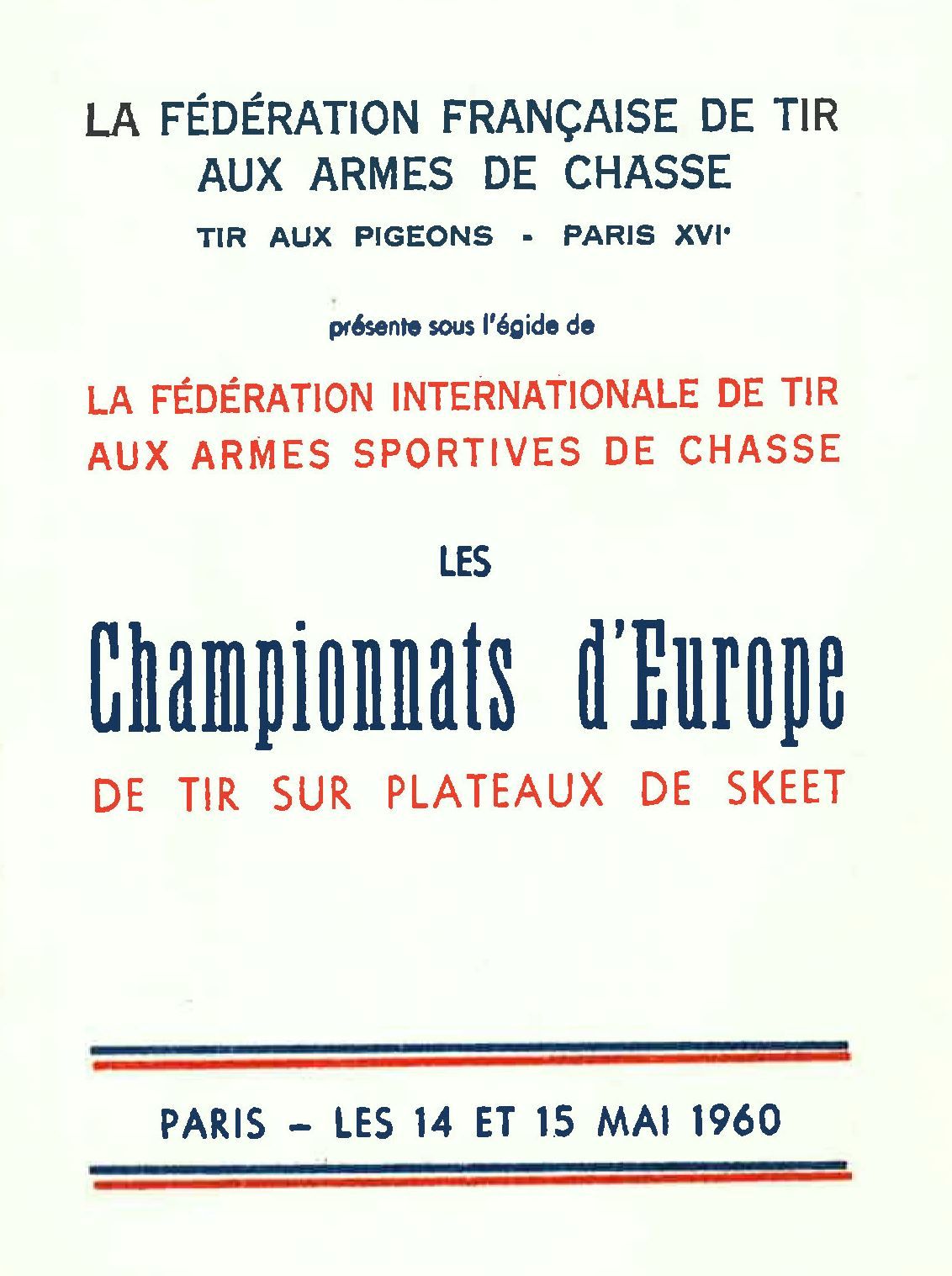
Adopted by FITASC in 1960, it quickly became very popular and led to the organisation of annual Grand Prix events and a European championship.
Parcours de Chasse (Sporting)
Adopted by FITASC in 1967, it quickly gained popularity: the European Championships, held annually since 1968, have grown in success each year, and the World Championships have been held since 1979.
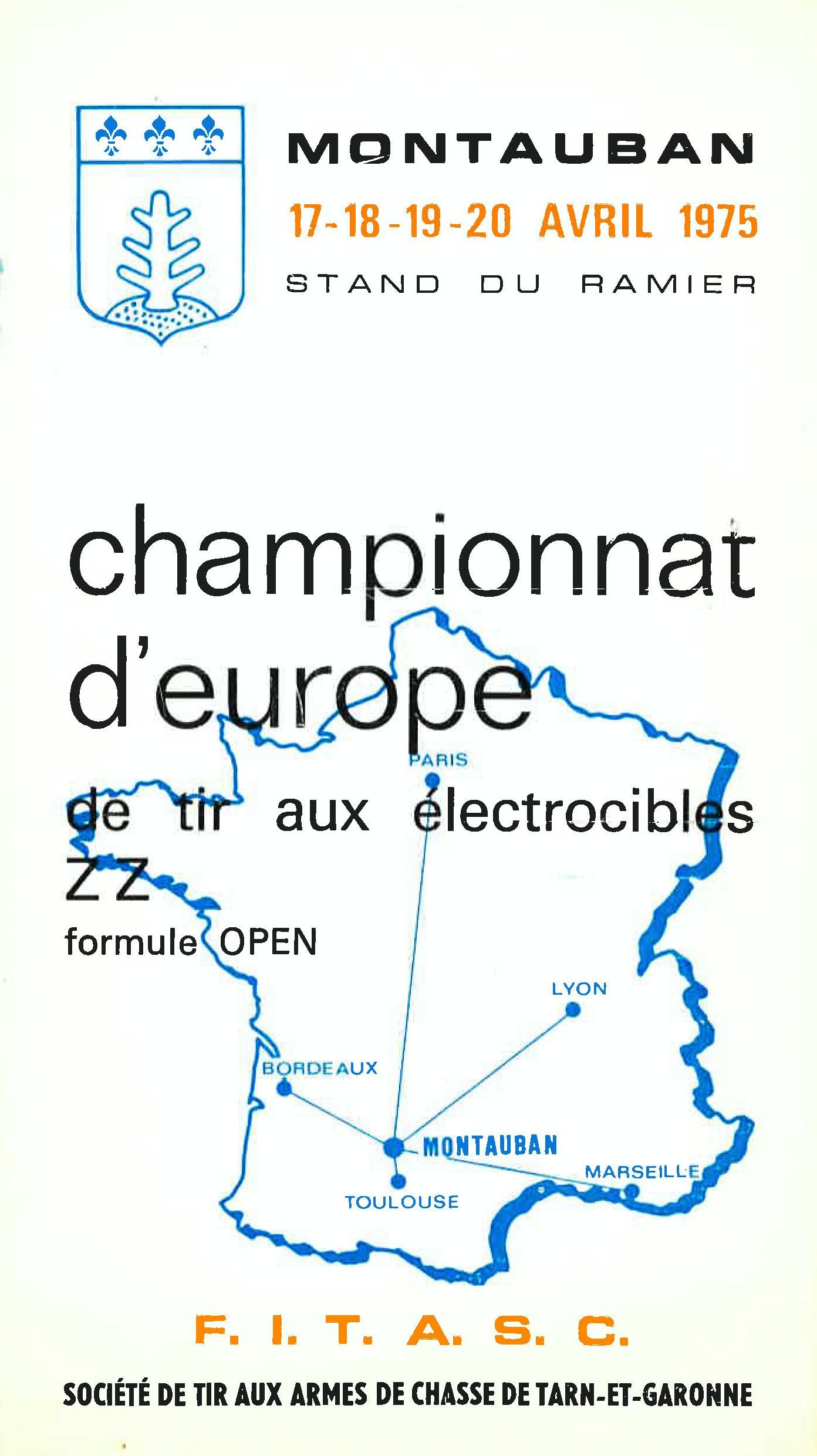
Tir aux Hélices (Hélices ZZ)
Adopted by FITASC in 1963, shooting at electro-targets (Helice ZZ) originated in Belgium, where Chevalier David de Lossy invented a cross between live pigeon shooting and clay target shooting (a plastic plate fixed on a plastic support shaped like a propeller). Grand Prix are organised annually, and, since 1966, European championships have also been held.
1981
New agreement UIT - FITASC
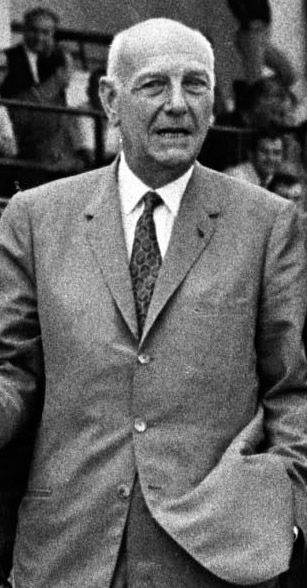
The consolidation of the relationship between the UIT (ISSF) and FITASC was formalised in a new agreement signed in 1981 between the two organisations, spearheaded by their presidents, Olegario Vasquez-Rana for UIT and Pierre Etienne Guyot for FITASC. This established lasting ties of cooperation for the benefit of all enthusiasts of sport shooting with hunting weapons.
The 1981 agreement thus enabled perfect harmony between the organisations responsible for Olympic disciplines on the one hand and non-Olympic disciplines on the other.

1981 - 2002
Evolution of the organisation of major championships to accommodate increased participation / Creation of Compak Sporting
Antonio Gaiztarro was elected President of FITASC in 1981. In addition to Grand Prix and continental championships, world championships are organised annually: Sporting since 1979, Fosse Universelle since 1983, Hélices ZZ since 1991.
Adopted by FITASC in 1987, the new organisation of the Sporting discipline with lines (instead of layouts of the previous system) allows for an increase in participation to up to 1,200 shooters over four days of competition.
Adopted by FITASC in 1991 upon proposal of its creator, Jean François Palinkas (the then FITASC Technical Manager), Compak Sporting consists of using typical Sporting targets on traditional shooting installation (Trap and Skeet) coupled with controlled distances and trajectories.
This discipline was an immediate success on five continents and enabled FITASC to organize European championships from 1995.
2003
Cessation of live pigeon shooting within FITASC
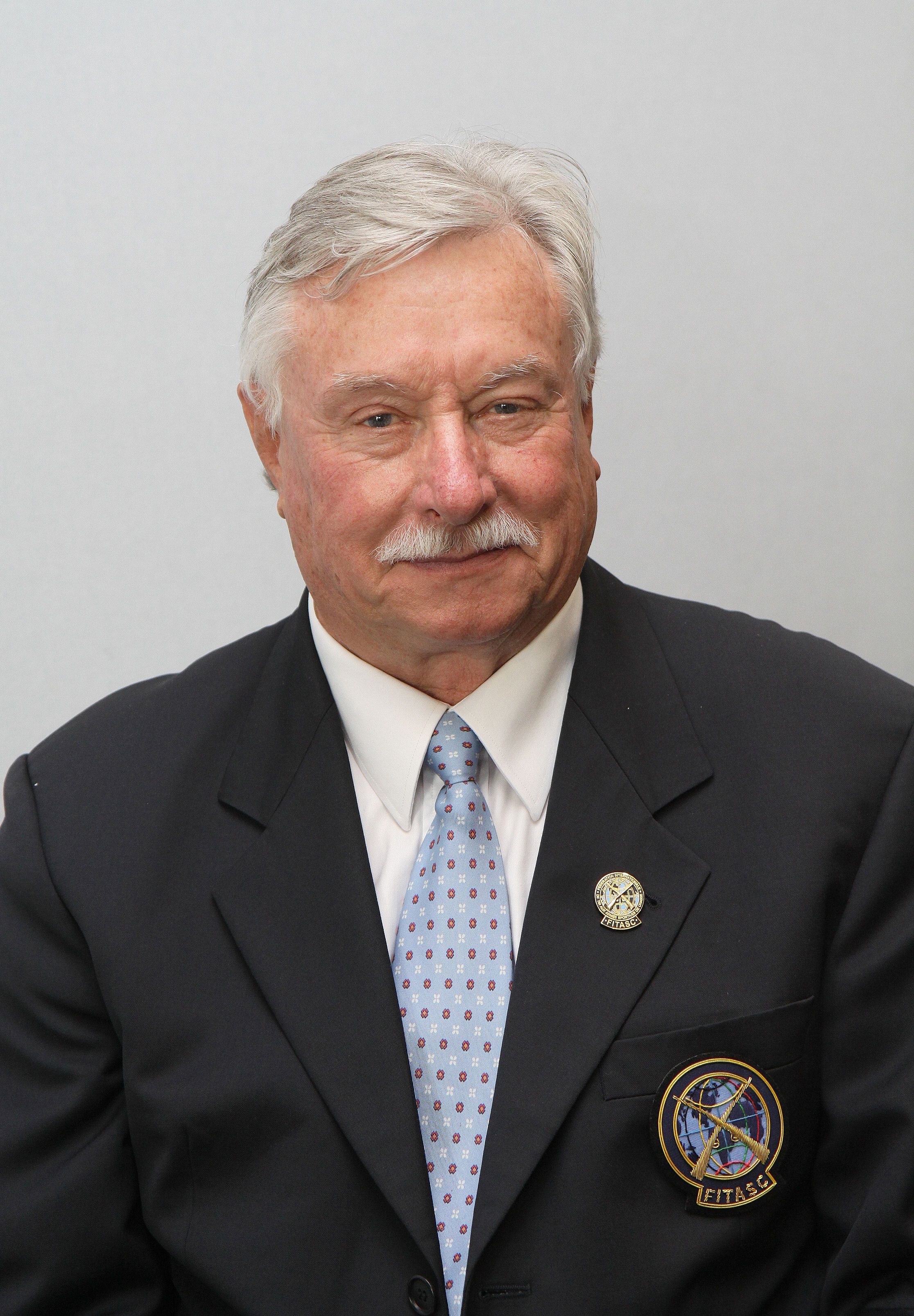
In 2003, Jean-François Palinkas was elected President. The General Assembly unanimously voted in favour of a resolution to suspend, with immediate effect, all activities and competitions in which a live animal is used as a target for injuring or lethal projectiles.
FITASC then had 45 member federations from 38 countries.
2004 - 2025
Global development of Compak Sporting / Evolution of sport regulations / Creation of new disciplines: Combined Game Shooting, Trap1, Universal Skeet
Since 2004, Compak Sporting World Championships have been organised with increasing success.
FITASC is constantly improving its disciplines by updating the sport regulations to optimise the organisation of shooting competitions, thereby increasing the number of participants that can be accommodated (e.g. in 2012, the adoption of line shooting in Compak Sporting).
In 2010, world rankings were created, calculated based on the total points earned by shooters according to their placings in Fitasc international competitions over a three-year period. In 2011, the Beretta Continental Cups were created (based on the cumulative scores of two compulsory events, i.e. a total of 400 targets) and the World Cups (based on the cumulative scores of three compulsory events, i.e. a total of 600 targets).
Combined Game Shooting
Adopted by FITASC in 2006, it responds to a desire to revive the deer/wild boar hunting activities that existed when FITASC was founded in 1921, with the aim of strengthening the natural link between hunters and sport shooters. This discipline includes hunting rifle shooting events and Compak Chasse and Trap Chasse shooting events with hunting shotguns. An annual European Championship has been organised since 2008.
Trap1
Adopted by FITASC in 2015, the level of difficulty of this discipline lies between Trap DTL / American Trap (ATA) and Fosse Universelle-UT (FU) / Olympic Trap (FO). An annual European Championship has been organised since 2023.
Universal Skeet
In 2020, FITASC adopted the rules for a new discipline with fixed trajectories.
In 2025:
FITASC adopts the organisation of major Compak Sporting competitions within 5-day, increasing capacity to 1,000 shooters. FITASC has 81 member federations from 69 countries, including 46 member federations in Europe (an increase of 80% in the number of member federations in 22 years since 2003). 60 international competitions have been organised under its auspices on five continents, with almost 11,000 participations.